
[2026 Guide] Best Home Internet in Japan: Fiber vs Home Router vs Pocket Wi-Fi


CEO / Native Japanese Expert
Updated on: July 1, 2026
Housing & Daily Life
How this guide is checked
Updated against official, partner, and reviewed site evidence where available.
Last updated: July 1, 2026
Official or partner facts are separated from practical notes.
Prices, screening, documents, and rules can change.
Some next-step links may be monetized.
Needs review: Approval, visa/tax/legal, availability, and campaign terms are not guaranteed. Confirm on the official or partner page.
Send to Friends (Summary)
- •Fiber Optic, Home Router, or Pocket Wi-Fi? Beware of the "Free Device" trap! We compare the best internet options in Japan for 2025 based on your visa duration, speed needs, and budget.
Great for LINE / WhatsApp sharing
After securing a SIM Card, the next most important step in setting up your life in Japan is getting Home Internet. Whether it's for streaming Netflix, online classes, remote work, or video calling family back home, a stable Wi-Fi connection is essential.
However, internet contracts in Japan are notoriously complex. Behind attractive phrases like "Free Installation" or "70,000 Yen Cashback," there are often risky "contract traps" that can cost foreigners a lot of money.
In this guide, updated for 2025, we explain how to choose the best internet service based on your Visa duration and priorities (Speed vs. Ease of use).
【Conclusion: Which Internet is Best for You?】
| 🚀 Speed & Long-Term | 🏠 Easy & No Construction | ✈️ Short-Term & Flexible |
|---|---|---|
| NURO Hikari | docomo home 5G | Sakura Mobile |
| Best for 2+ years stay. Max 2Gbps Speed. | Just plug it in. Unlimited Data. | Cancel anytime. Full English Support. |
| Visit Official Site | Visit Official Site | Visit Official Site |
1. The 3 Major Types: Which Should You Choose?
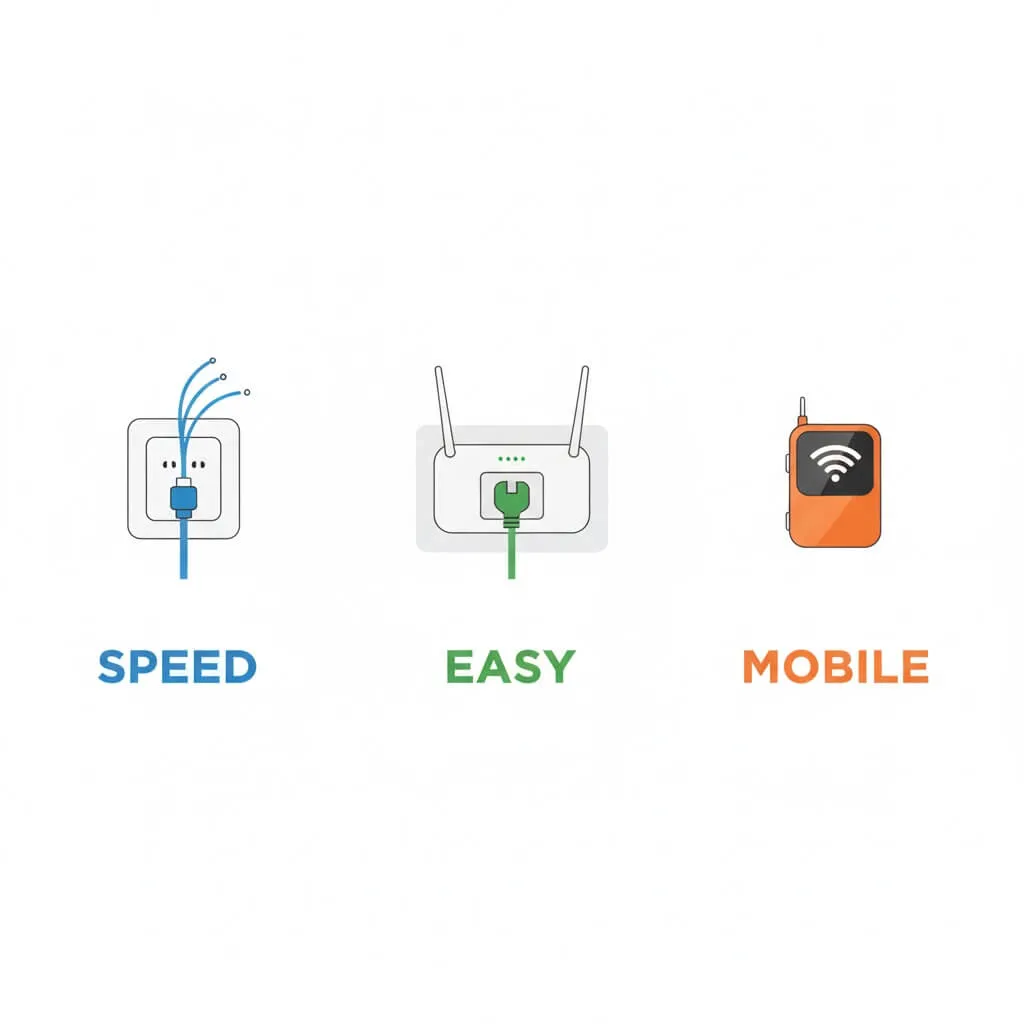
There are three main types of home internet in Japan. Understanding the differences is key to finding the right fit for your lifestyle.
| Feature | Fiber Optic (Hikari) | Home Router (5G CPE) | Pocket Wi-Fi |
|---|---|---|---|
| Best For | Long-term, Gamers, Families | Singles, No Construction | Short-term, Travelers |
| Speed | ◎ Very Fast (2Gbps~) | ◯ Fast (5G Areas) | △ Slow - Medium |
| Stability | ◎ Excellent | ◯ Depends on time | △ Depends on location |
| Installation | Required (Wait 1-2 months) | None (Plug & Play) | None (Immediate) |
| Monthly Cost | ¥5,200~ | ¥4,950~ | ¥3,200~ |
| Warning | Removal work may be required when moving out | Device Fee (3-year installment) | Data caps may apply |
Quick Decision Guide
- "I'm staying for 2+ years" & "I play online games / watch 4K video"
- 👉 Fiber Optic is the only choice for stability.
- "I don't want construction" & "I hate messy cables"
- 👉 Home Router is the best balance.
- "I don't know when I'll leave Japan" & "I need internet outside too"
- 👉 Pocket Wi-Fi has the lowest risk.
2. 【WARNING】The "Device Fee Trap" You Must Know
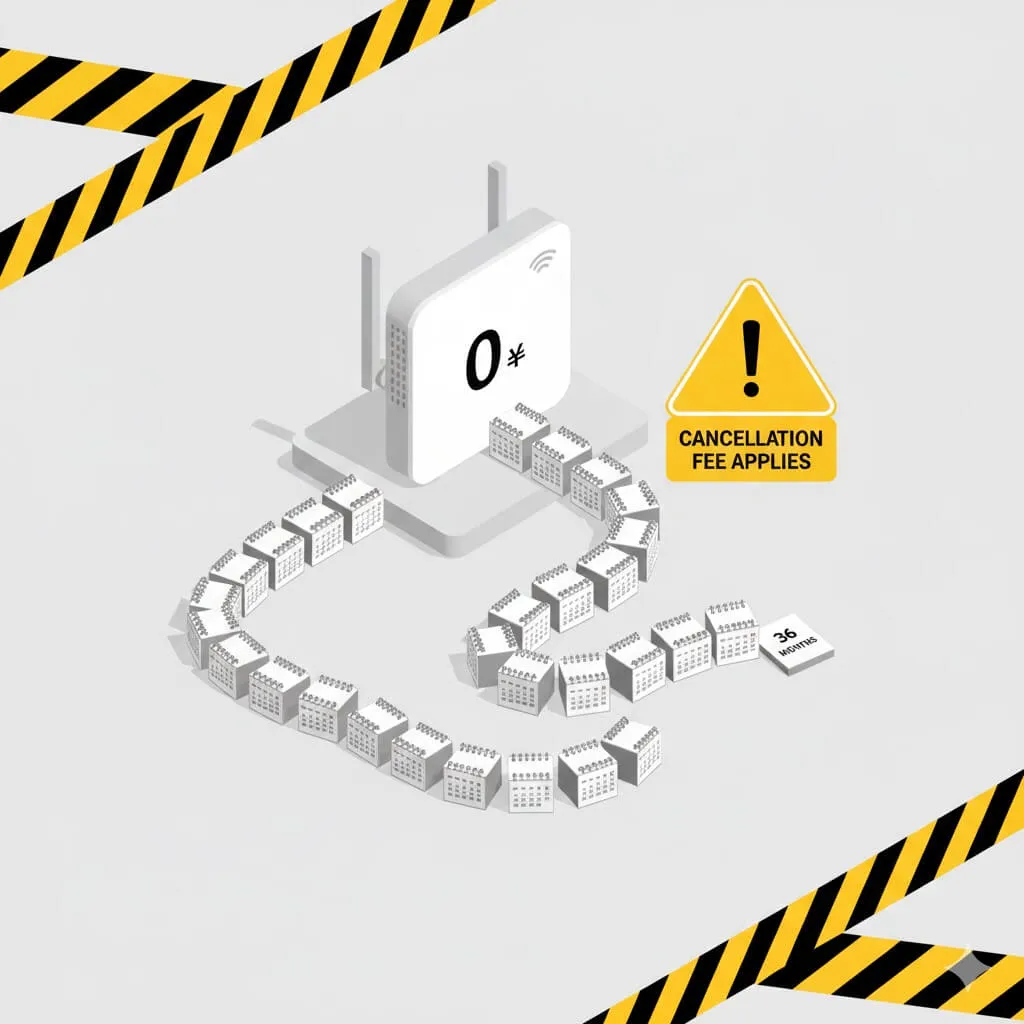
The biggest trouble foreigners face with Japanese internet contracts is the "Effectively Free Device" (Jisshitsu 0-yen) system.
Many providers (especially Home Routers and Fiber) set the device cost (approx. ¥70,000) to be paid over 36 months (3 years). They give you a monthly discount equal to the installment, making it look "free."
However, this is only free if you stay for the full 3 years.
If you decide to return to your home country after 1 year and cancel, the discount stops, and you will be billed the remaining device balance (approx. ¥47,000) in one lump sum.
⚠️ Important Advice
If your visa or stay is less than 2 years, DO NOT choose a plan where you buy the device over 36 months. Choose a "Rental" plan or a service with "No Binding Contract" (like Sakura Mobile or Mobal).
3. Top 5 Recommended Services for Foreigners
Here are the best services based on ease of application, language support, and cost performance. We also include Real User Voices from Reddit and Twitter.
A. Ease of Use (Home Router)
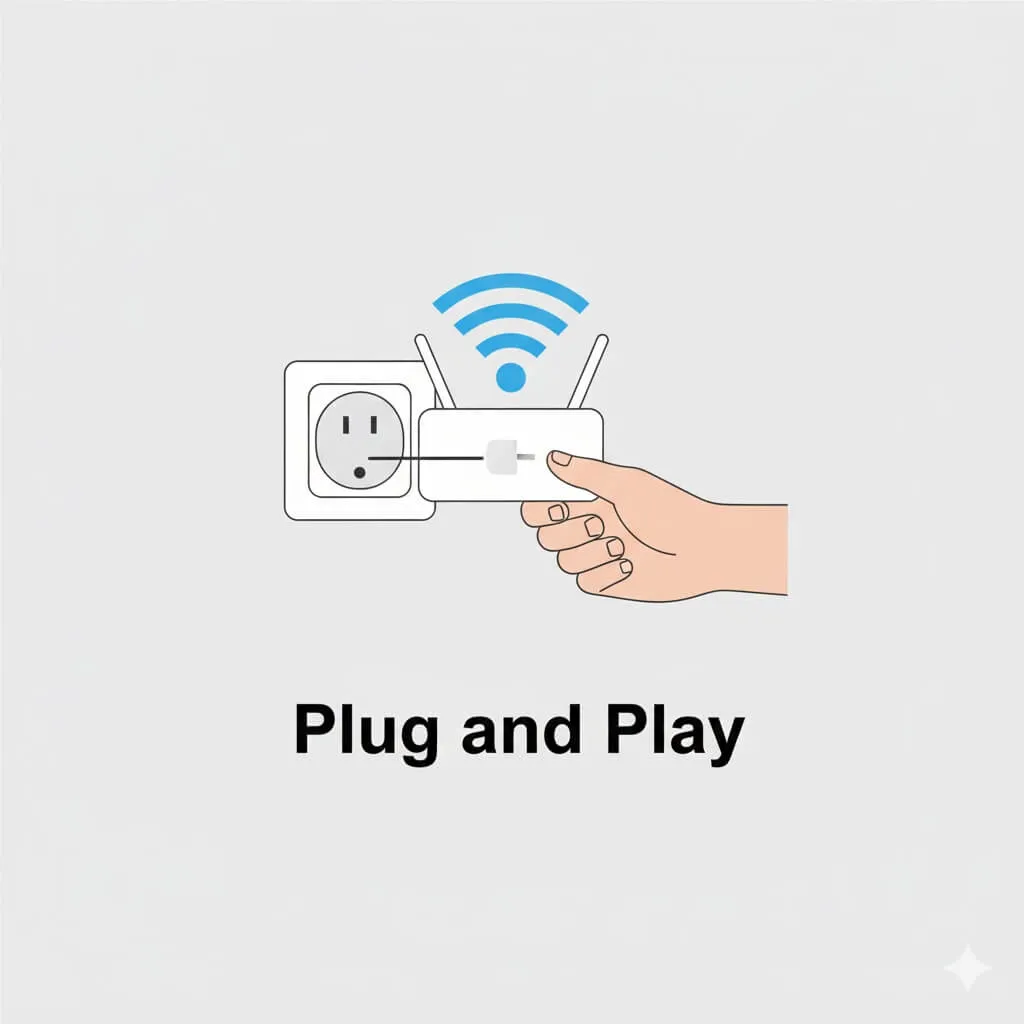
No construction needed. Just plug it into a power outlet, and you have Wi-Fi.
1. docomo home 5G (HR02)
Uses the network of Docomo, Japan's largest carrier. It offers top-class speed and stability among home routers.
- Pros: No construction. Plug & Play. Fast speeds in 5G areas.
- Cons: The device cost (¥71,280) is waived over 36 months. Canceling early means paying the balance.
📢 User Voices
🟢 Good: "I failed the screening for Fiber internet, so I got this. It works great! I can even play Apex Legends with 60-80ms ping. No installation was a lifesaver." (Reddit r/japanlife)
🔴 Bad: "Download speed is fast, but upload speed is slow (5-10Mbps). Not recommended if you are a YouTuber who needs to upload large video files." (Reddit)
👉 Check docomo home 5G Campaigns
2. SoftBank Air
Known for frequent campaigns and covering cancellation fees from other providers.
- Pros: Discounts available if you use SoftBank or Y!mobile for your phone.
- Cons: The device installment period is very long (48 months / 4 years). Not recommended for short-term stays.
📢 User Voices
🟢 Good: "I received it and started using it within a few days. Streaming Netflix in central Tokyo 5G areas is no problem." (Reddit)
🔴 Bad: "Speeds drop to around 10Mbps after 7 PM, causing videos to buffer. It's hard to cancel because of the 4-year device tie-in." (Twitter/X)
👉 Check SoftBank Air Official Site
B. Speed Focused (Fiber Optic)

If you need stable, high-speed internet, Fiber is the only way to go.
3. NURO Hikari
One of the most popular high-speed fiber services in Japan. Famous for its max 2Gbps download speed.
- Pros: Extremely fast. High cashback offers (¥40,000 - ¥70,000).
- Cons: No English support. Requires two construction visits (indoor/outdoor), taking 1-3 months to activate.
📢 User Voices
🟢 Good: "NURO is seriously fast. I get over 700Mbps consistently, even during the day. Peak times hit 1Gbps. Gaming ping is 20ms. Amazing." (Reddit r/japanlife)
🔴 Bad: "I had to wait 3 months for installation. I had to survive on a rental Wi-Fi during that time, which couldn't even handle YouTube properly." (Reddit r/japanlife)
👉 Check NURO Hikari Cashback Page
4. Sakura Mobile Fiber
A provider specifically designed for foreigners in Japan. Uses the NTT FLET'S Hikari network.
- Pros: Full English Support. No binding contract (cancel anytime after 3 months). No cancellation penalty.
- Cons: Monthly fee is slightly higher than others, but it's the "price of peace of mind."
📢 User Voices
🟢 Good: "It's a bit pricey, but customer support handled everything in perfect English. Canceling when I left Japan took just one email and was zero stress." (Reddit r/movingtojapan)
🔴 Bad: "They advertise 'Gigabit' speeds, but during congestion, it drops to around 200Mbps. Still enough for video streaming, though." (Reddit)
👉 Check Sakura Mobile Official Site
C. Short-Term / Mobile (Pocket Wi-Fi)
5. Rakuten WiFi Pocket
Pocket Wi-Fi provided by Rakuten Mobile.
- Pros: Often runs campaigns where the device costs only "1 Yen." No contract binding. Unlimited data.
- Cons: Signal can be weak underground or inside large concrete buildings.
- Best For: Budget seekers, people without a credit card (Bank Transfer accepted).
📢 User Voices
🟢 Good: "Getting the device for 1 yen with no contract binding is the best temporary solution. Unlimited data for around 3,000 yen is cheap." (Twitter/X)
🔴 Bad: "I sometimes lose signal in the subway or deep inside buildings. Checking the coverage area is a must." (Twitter/X)
👉 Check Rakuten WiFi Pocket Campaigns
4. Overcoming "Foreigner Barriers"
Q. I don't have a Credit Card
Most Japanese internet contracts require a credit card, but here are your options:
- Bank Transfer: docomo home 5G (apply in-store), Rakuten WiFi Pocket, and SoftBank Hikari accept Japanese bank account transfers.
- Convenience Store Payment: Sakura Mobile and GTN allow you to pay cash at convenience stores (Smart Pit).
Q. I need English Support
If your internet stops working, calling a Japanese support line can be a nightmare.
- Sakura Mobile / GTN / Mobal: Provide full support in English (and other languages) from start to finish.
- Big Telcos (NURO/Docomo): Support is generally Japanese only. You will need a translation app or a Japanese friend to help.
Summary: Which Internet is Best for You?
Here is the final verdict based on your situation:
-
"Staying 2+ years" & "Need Speed" 👉 NURO Hikari (The cashback makes the total cost very low)
-
"Don't want construction" but "Staying 3 years" 👉 docomo home 5G
(Easy Plug & Play, fast speeds) -
"Staying less than 1 year" or "Worried about Japanese" 👉 Sakura Mobile Fiber / Wi-Fi (No binding, English support is safe)
-
"Want the cheapest option" & "No device debt risk" 👉 Rakuten WiFi Pocket (Aim for the 1 Yen device campaign)
Get your internet set up correctly and enjoy your digital life in Japan!
Save this guide for later?
You might need this information again. Bookmark this page to access it anytime.
Get the free Moving in Japan checklist
A practical 14-day checklist for city hall, utilities, SIM, internet, and moving tasks.
Reading this in English?
Help improve English guides like this
If this guide helped but a phrase felt unnatural, your native check can make the next English article clearer for foreign residents in Japan.
Disclaimer
※ The information in this article is accurate as of the time of writing. Laws and regulations may change, so please always check official sources for the latest information. We assume no liability for any damages resulting from the content of this article.
Related Articles
Frequently Asked Questions
Q: What is the fastest home internet option in Japan for foreigners in 2026?
A: Nuro Hikari offers the fastest speeds (2 Gbps) but limited coverage areas. NTT Flets Hikari (via ISP like So-net or OCN) is the most widely available fiber network. NURO and au Hikari are fast alternatives. Most fiber plans deliver 1 Gbps for ¥4,000–5,500/month.
Q: Can foreigners get home internet in Japan without a Japanese credit card?
A: Some providers accept bank transfer (振込) or convenience store payment instead of a credit card. GMO Hikari and Sakura Fiber explicitly accommodate foreigners. Alternatively, pocket WiFi and home WiFi routers (Softbank Airなど) are easier to sign up for without a credit card.
Q: How long does it take to get home fiber internet set up in Japan?
A: Typically 2–6 weeks from application to installation, because NTT must dispatch a technician to connect the fiber drop to your unit. Apply as early as possible. In apartments with pre-installed Flets ports, it can be faster — sometimes 1 week.
Q: Is pocket WiFi a good alternative to home fiber internet in Japan?
A: Pocket WiFi (モバイルルーター) is convenient and setup is instant, but capacity is limited — typical plans cap at 50–100GB/month. For heavy users (streaming, gaming, remote work), fiber is much better value. Pocket WiFi works well as a bridge solution while waiting for fiber installation.
Q: What is "hikari collaboration" and why does it affect my internet price in Japan?
A: Hikari collaboration (コラボ光) plans are offered by ISPs (OCN, So-net, BIGLOBE etc.) bundled with NTT's fiber. They are usually cheaper than NTT's own plans because ISPs negotiate wholesale pricing. Always compare hikari collaboration options from multiple ISPs before choosing.